India's export engine is firing on all cylinders in 2025. After crossing the $770 billion mark in FY2024, the country is projected to reach $850 billion in merchandise exports this fiscal year. While engineering goods, petroleum products, and gems & jewellery continue to dominate the value charts, several emerging categories are experiencing growth rates that savvy global buyers cannot afford to ignore. This article ranks the top 10 fastest-growing Indian export categories for 2025 based on trade data, market signals, and buyer demand patterns across the USA, Europe, Middle East, and Australia.
1. Engineering Goods and Auto Components
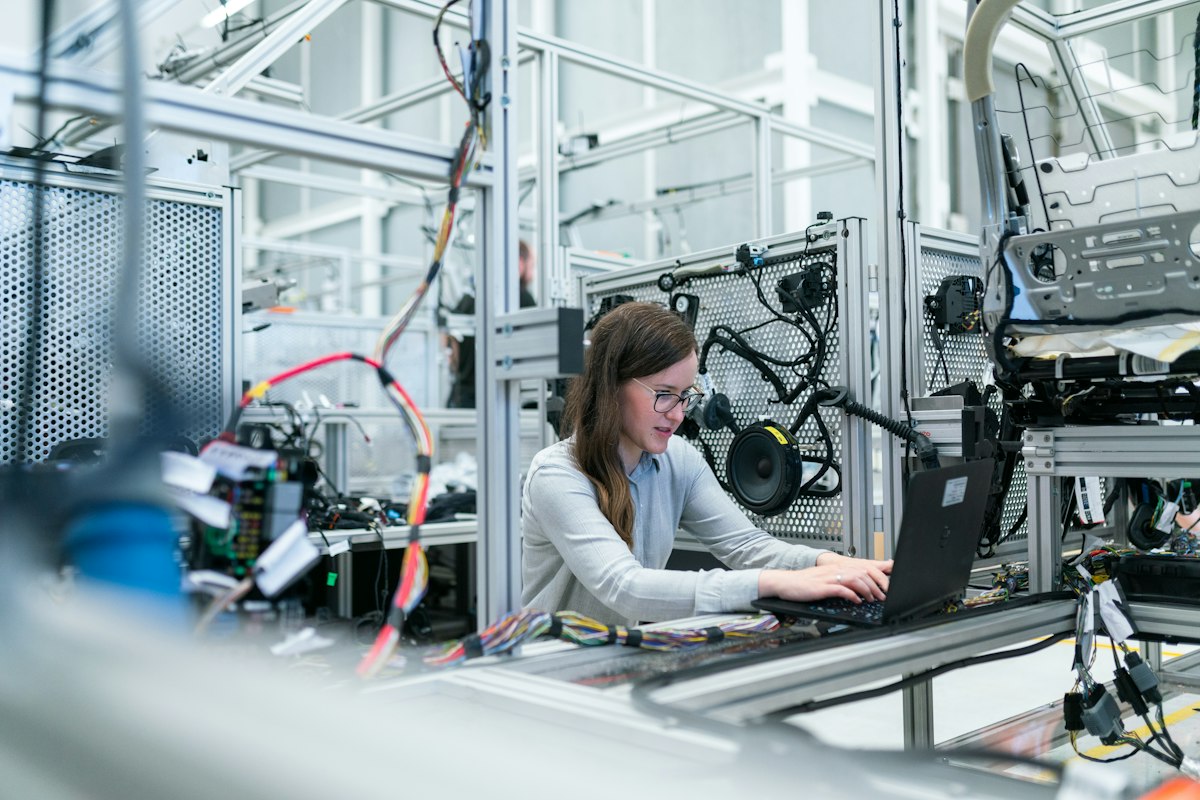
Engineering goods remain India's largest export category, with total shipments exceeding $120 billion. The automotive component segment is particularly dynamic, driven by the global shift toward electric vehicles. Indian manufacturers supply battery management systems, motor controllers, and precision-machined aluminium castings to OEMs in Germany, Japan, and the USA. For buyers, India's engineering sector offers a sweet spot of advanced manufacturing capability at significantly lower costs than East Asian alternatives.
2. Petroleum Products and Refined Fuels
India has quietly become a refining superpower. Reliance Industries' Jamnagar complex and Nayara Energy's Vadinar facility process crude from Russia, the Middle East, and Africa into high-grade diesel, gasoline, and aviation turbine fuel. With India importing discounted Russian crude and exporting refined products at global market rates, the refining margin story remains compelling. Buyers in Southeast Asia, Africa, and Latin America actively source from Indian refiners.

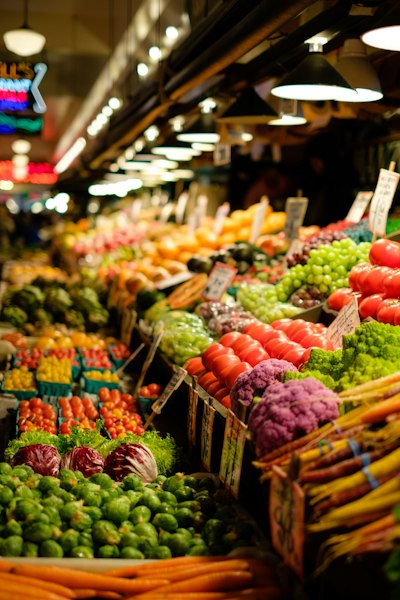
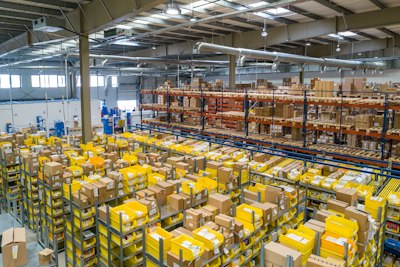
India's export sectors span from precision engineering to organic agriculture
3. Gems and Jewellery
Surat, Gujarat, processes over 90% of the world's diamonds. Indian-cut diamonds are renowned for their precision and value. In 2025, lab-grown diamonds (LGDs) have emerged as a high-growth sub-category. Indian LGD producers are leveraging chemical vapor deposition (CVD) technology to supply environmentally conscious consumers in the USA and Europe. Gold jewellery studded with Indian-cut stones continues to perform strongly in the UAE and Saudi Arabia.
4. Organic Chemicals and Pharma Intermediates
Hyderabad, known as India's pharmaceutical capital, exports active pharmaceutical ingredients (APIs), intermediates, and formulations worldwide. Post-pandemic demand for chronic disease medications, oncology drugs, and immunosuppressants has accelerated orders from regulated markets. Indian pharma exports are expected to cross $32 billion in 2025, with North America and the EU absorbing over 55% of the volume.
5. Textiles and Apparel
India's textiles sector is being revitalized by the Production Linked Incentive (PLI) scheme and the China+1 sourcing strategy adopted by Western retailers. Sustainable cotton, khadi, and technical textiles (including geotextiles and medical fabrics) are seeing double-digit growth. European fast-fashion brands are increasingly placing orders with Indian suppliers who can demonstrate water recycling and zero-discharge compliance.
6. Agricultural and Processed Food
This is where turmeric, spices, rice, and processed snacks enter the picture. India's agricultural exports crossed $55 billion in FY2024, with non-basmati rice, spices, and buffalo meat leading the way. The organic segment is surging: organic turmeric, ginger, and moringa powders are commanding price premiums in the USA, Germany, and Australia. Buyers looking for traceable, small-farm organic products are finding Indian cooperatives increasingly sophisticated.
7. Electronics and Telecom Equipment
Apple's decision to manufacture up to 25% of its global iPhone output in India has catalyzed the entire electronics ecosystem. Foxconn, Dixon, and Lava are ramping up capacities for smartphones, wearables, and components. Beyond Apple, India's electronics exports to the UAE, Saudi Arabia, and African nations are growing rapidly as brands seek competitive manufacturing outside China.
8. Iron, Steel, and Metal Products
India's steel exports are rebounding after a dip in 2022. JSW Steel, Tata Steel, and AM/NS India are exporting hot-rolled coils, galvanized sheets, and stainless steel to Europe, the Middle East, and Southeast Asia. Infrastructure booms in Saudi Arabia's NEOM project and Qatar's post-World Cup development have sustained strong demand for Indian structural steel.
India's export growth trajectories across top 10 categories for 2025
9. Leather and Leather Products
Kanpur, Agra, and Kolkata remain global centers for leather tanning and footwear manufacturing. Italian and Spanish brands source semi-finished leather from India due to competitive pricing and consistent grain quality. The 'Make in India' push for footwear has attracted investment from global brands looking to diversify away from Vietnam and China.
10. Herbal Products, Spices, and Natural Extracts
The smallest category by absolute value on this list, but arguably the fastest growing. Ashwagandha, turmeric, moringa, neem, stevia, and essential oil exports are growing at 15-22% CAGR. The USA, Germany, Japan, and Australia are the largest consumers. What makes this category unique is the high margin potential: value-added extracts and branded ingredients command prices 5-10x higher than raw powders.
For buyers, the opportunity is twofold. First, raw material buyers can lock in multi-year contracts with Indian farms as climate volatility increases. Second, brand owners can partner with Indian manufacturers for white-label herbal supplements and skincare, leveraging India's GMP-certified facilities.
"India is no longer just a raw material supplier. It is becoming a branded ingredient partner for global health and wellness companies."
What Global Buyers Should Watch
Several macro trends will shape India's export trajectory through 2025 and beyond:
- CEPA Agreements: The UAE and Australia deals are already reducing tariffs. Negotiations with the UK, EU, and Canada are progressing.
- Quality Upgrades: Indian exporters are investing in FDA, GMP, and organic certifications at record pace.
- Logistics Modernization: Port automation, Dedicated Freight Corridors, and increased air cargo capacity are cutting lead times.
- Digitization: Paperless customs, e-invoicing, and blockchain traceability are becoming standard for tier-one exporters.
Source Premium Indian Exports Directly
From herbal powders to spices, we connect global buyers with certified Indian producers. Competitive FOB pricing with full documentation.
Explore Export Opportunities