The demand for Indian herbal products in Saudi Arabia and the UAE has never been stronger. In 2025, the global shift toward natural remedies, organic foods, and plant-based wellness products has pushed Indian exporters like Zakwaan EXIM to the forefront of trade with the Gulf Cooperation Council nations. From turmeric powder landing on supermarket shelves in Riyadh to Ashwagandha capsules selling through pharmacies in Dubai, the India-GCC herbal trade corridor is booming and this guide breaks down exactly why and how buyers in Saudi Arabia, UAE, and the wider Middle East can capitalize on it.
Why Saudi Arabia and UAE Are the Top Markets for Indian Herbal Exports
Saudi Arabia's Vision 2030 has catalyzed a massive diversification of its economy away from oil. One of the fastest-growing sectors is health and wellness, where the Saudi Food and Drug Authority (SFDA) has streamlined registration pathways for herbal and Ayurvedic products. The UAE, particularly Dubai, has positioned itself as the re-export hub for the entire Middle East. Over 70 percent of goods entering Dubai's Jebel Ali Port are re-exported to other GCC countries, East Africa, and Central Asia.
For Indian herbal exporters, this means a single entry point in Dubai can serve customers across Bahrain, Oman, Qatar, Kuwait, and even Iraq. The India-UAE Comprehensive Economic Partnership Agreement (CEPA), signed in 2022, reduced tariffs on agricultural and herbal products by up to 100 percent over a phased timeline, making 2025 the year when the full duty benefits kick in.

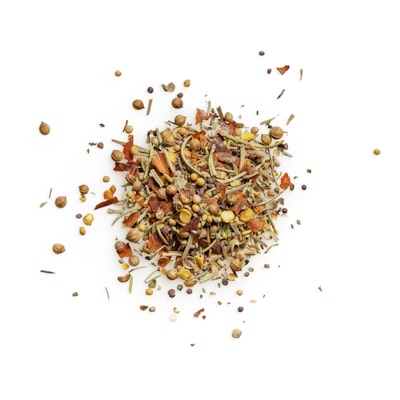
Indian turmeric and herbal powders are among the top exports to Saudi Arabia and UAE markets
Top Indian Herbal Products in Demand Across GCC
The product categories seeing the strongest growth in Saudi and UAE markets fall into three broad segments: functional foods, dietary supplements, and natural personal care. Here are the specific products leading the charge:
- Turmeric Powder (Haldi): Saudi Arabia imported over $48 million worth of Indian turmeric in 2024. The rise of golden milk lattes, curcumin supplements, and anti-inflammatory skincare has driven a 22 percent year-over-year increase. SFDA requires lab test reports for curcumin content and heavy metals, which Zakwaan EXIM provides with every shipment.
- Ashwagandha Powder: The adaptogen boom has hit the Middle East hard. Dubai-based supplement brands are sourcing raw Ashwagandha root powder from India for encapsulation and private labelling. Withania somnifera exports from India to the UAE grew 35 percent between 2023 and 2024.
- Moringa Powder: Called the "miracle tree" in Arabic health circles, Moringa oleifera powder is now stocked in Carrefour and LuLu Hypermarket across the GCC. Indian organic Moringa commands a premium of 30 to 50 percent over conventional grades.
- Fox Nuts (Makhana): A relatively new entrant to the Middle East, fox nuts are marketed as a premium superfood snack. Flavored Makhana varieties are gaining shelf space in Saudi grocery chains like Panda and Tamimi.
- Neem and Tulsi Products: Neem oil and Tulsi (Holy Basil) extracts are used in UAE natural skincare brands. The clean beauty movement in Dubai has tripled demand for these ingredients since 2022.
Regulatory Requirements: SFDA and UAE ESMA Compliance
Exporting herbal products to Saudi Arabia and the UAE is not as simple as packing boxes onto a ship. Both markets have strict regulatory frameworks that Indian exporters must navigate:
Saudi Arabia (SFDA): Herbal products require SFDA pre-market registration. This involves submitting a Certificate of Analysis (CoA), GMP certificate from the Indian manufacturer, Certificate of Origin from an Indian Chamber of Commerce, and Arabic-language labelling compliant with SFDA format requirements. The process typically takes 45 to 90 days for new product registration.
UAE (ESMA and Dubai Municipality): The Emirates Standards and Metrology Authority (ESMA) regulates food supplements, while Dubai Municipality oversees food-grade herbal powders. Products entering Dubai must have halal certification where applicable, English and Arabic labelling, and compliance with GCC Standardization Organization (GSO) limits for pesticide residues and heavy metals.
Zakwaan EXIM maintains ISO 9001:2015, HACCP, Organic, Halal, and GMP certifications specifically to meet these requirements, ensuring smooth customs clearance at both Jeddah Islamic Port and Jebel Ali.
"The India-UAE CEPA has changed the game for herbal exporters. Products that previously attracted 5 percent import duty in Dubai now enter duty-free, giving Indian suppliers a 3 to 5 percent price advantage over Chinese and Southeast Asian competitors."

Container shipments from Indian ports to Jebel Ali and Jeddah take 5 to 10 days
Logistics: How Indian Herbal Products Reach Saudi and UAE Buyers
The supply chain from India to the GCC is well-established and efficient. Most herbal exporters use the following route structure:
- Manufacturing and Quality Control in India: Products are manufactured at GMP-certified facilities, tested for heavy metals, pesticide residues, microbial contamination, and active ingredient content. CoA documents are generated for each batch.
- Packaging and Labelling: Export-grade packaging with Arabic and English labels, batch numbers, manufacturing dates, expiry dates, and SFDA or ESMA registration numbers where applicable.
- Shipping from Indian Ports: Nhava Sheva (Mumbai) and Mundra (Gujarat) are the primary ports for GCC-bound cargo. Transit time to Jebel Ali is 5 to 7 days; to Jeddah Islamic Port it is 8 to 10 days.
- Customs Clearance in GCC: With proper documentation (CoA, Certificate of Origin, Phytosanitary Certificate, Commercial Invoice, Packing List), clearance at Jebel Ali takes 2 to 3 days and at Jeddah 3 to 5 days.
- Last-Mile Distribution: From Jebel Ali, goods are distributed across the UAE and re-exported to Bahrain, Oman, Qatar, and Kuwait. From Jeddah, distribution covers Riyadh, Dammam, and the wider Saudi market.
Pricing: What Saudi and UAE Buyers Can Expect
Indian herbal products are competitively priced in the GCC market, even after accounting for freight, insurance, and distributor margins. Here is a rough pricing guide for bulk purchases (FOB India, per kilogram):
- Turmeric Powder (organic): $4 to $7 per kg
- Ashwagandha Root Powder: $8 to $15 per kg
- Moringa Leaf Powder (organic): $6 to $12 per kg
- Fox Nuts (Makhana, premium grade): $12 to $20 per kg
- Neem Powder: $3 to $6 per kg
- Tulsi (Holy Basil) Powder: $5 to $9 per kg
These FOB prices become significantly more attractive under the India-UAE CEPA duty benefits, where applicable tariffs have dropped to zero for most herbal and agricultural products.
Opportunities for New Buyers in 2025
If you are a buyer, distributor, or retailer based in Saudi Arabia, UAE, Dubai, Bahrain, Oman, Qatar, or Kuwait, 2025 presents several compelling reasons to start sourcing herbal products from India:
- Duty-Free Access Under CEPA: The India-UAE agreement has eliminated tariffs on most herbal products entering the UAE, which can then be re-exported across the GCC under the unified customs framework.
- Growing Consumer Demand: The natural and organic products market in the GCC is projected to reach $5.2 billion by 2027, growing at a CAGR of 12.4 percent.
- India's Organic Certification Push: India now has over 4.3 million hectares under organic cultivation, the largest in the world. This gives buyers access to genuinely certified organic herbs at prices far lower than European or American sources.
- Private Label Opportunities: Indian exporters like Zakwaan EXIM offer white-label and private-label manufacturing, allowing Middle East brands to launch their own herbal product lines with Indian-sourced ingredients.
- E-Commerce Growth: Noon, Amazon UAE, and Saudi e-commerce platforms like Jarir are actively seeking new herbal and natural product suppliers to meet surging online demand.
Ready to Source Herbal Products from India?
Get a free export quotation for turmeric, Ashwagandha, Moringa, or any herbal product. We handle SFDA and ESMA compliance documentation.
Request Export Quote