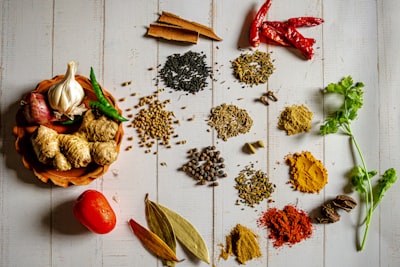
While Saudi Arabia and the UAE often dominate headlines in India-GCC trade, savvy exporters know that Oman, Qatar, Kuwait, and Bahrain represent some of the fastest-growing import markets for Indian goods. Combined, these four nations import over $35 billion worth of products from India annually. For herbal product exporters, the opportunity is even more compelling: smaller populations with high disposable incomes, growing health consciousness, and relatively streamlined regulatory pathways compared to larger neighbors.
Oman: The Gateway to East Africa and the GCC
Oman's strategic position at the mouth of the Arabian Gulf makes it a natural logistics hub. Port Sultan Qaboos in Muscat and the newer Duqm Port offer world-class infrastructure with lower demurrage charges than Jebel Ali. Indian herbal exporters benefit from Oman's liberal foreign investment laws, especially in the food processing and wellness sectors.
Oman does not enforce mandatory halal certification for non-meat food imports at the federal level, though retailers increasingly prefer it for consumer confidence. The Ministry of Commerce, Industry and Investment Promotion (MOCIIP) requires standard phytosanitary and health certificates. Import duty for most herbal powders stands at 5%, making Oman cost-competitive compared to markets with higher tariff barriers.

Port Sultan Qaboos in Muscat serves as a key entry point for Indian herbal exports
Qatar: Premium Pricing for Premium Products
Qatar's per-capita income among the highest globally means consumers are willing to pay premium prices for organic, certified, and well-packaged herbal products. Doha's wellness market has expanded rapidly post-2022, with international gyms, yoga studios, and Ayurvedic clinics opening across Lusail and West Bay.
However, Qatar maintains strict import controls. The Qatar Chamber of Commerce requires foreign suppliers to register through a local commercial agent or distributor. For first-time Indian exporters, appointing a Qatari agent who understands Ministry of Public Health (MOPH) registration is essential. All food and supplement imports need pre-shipment inspection for label compliance.
Kuwait: A Concentrated Market with High Consumption
Kuwait has one of the highest spice consumption rates per capita in the world. The Kuwaiti dinar's strength against the Indian rupee also makes pricing attractive for Indian exporters. Public Authority for Food and Nutrition (PAFN) governs food imports. Like Qatar, Kuwait mandates that imported food products have local representation for recall and complaint handling.
Kuwaiti customs can be meticulous about pesticide residue limits. Indian exporters should provide lab reports showing compliance with Codex Alimentarius, as Kuwait generally follows Codex standards for imported food products.
"In Kuwait, transparency wins contracts. Show your lab reports upfront, and you will avoid three weeks of customs back-and-forth."
Bahrain: The Easiest Entry Point in the GCC
Bahrain is often overlooked, which is a mistake. The Bahraini market is open, English-friendly, and has minimal import bureaucracy compared to its neighbors. The Bahrain Food Control Directorate under the Ministry of Health requires basic import permits, health certificates, and label approvals, but timelines are typically faster than Doha or Riyadh.
For Indian herbal exporters testing the GCC waters, Bahrain offers an ideal pilot market. Success in Manama and Riffa builds credibility that eases entry into Saudi Arabia and Qatar later. Many Indian traders use Bahrain as their regional headquarters, leveraging its free trade agreements and zero personal income tax.
Logistics and Freight: Consolidating for the Northern Gulf
Direct ocean freight from Mundra or Nhava Sheva to Sohar (Oman), Hamad Port (Qatar), Shuwaikh (Kuwait), and Khalifa Bin Salman Port (Bahrain) typically takes 8-14 days. Consolidated LCL services operated by NVOCCs like Kerry Indev, Freight Systems, and Atlas Logistics connect Indian ICDs to these ports weekly.
Air freight through Hyderabad, Mumbai, and Chennai offers 2-3 day transit times to Doha, Kuwait City, and Bahrain. For high-value herbal extracts where shelf stability is critical, air cargo justifies the premium over sea freight.

Weekly consolidated LCL freight connects Indian ports to Oman, Qatar, Kuwait, and Bahrain
Practical Recommendations
- Start with Oman or Bahrain for first-time GCC entry due to lower regulatory barriers.
- Appoint local agents in Qatar and Kuwait before shipping, as direct importer registration is difficult.
- Prepare bilingual labels (English and Arabic) for all four markets to avoid rejections.
- Invest in halal certification even where not legally required, as it builds buyer confidence.
- Use Incoterms CIF for initial orders to transfer freight risk to the exporter while you establish trust.
Explore India-GCC Trade With Us
Zakwaan EXIM ships herbal powders and spices to Oman, Qatar, Kuwait, and Bahrain with full documentation support.
Start GCC Export