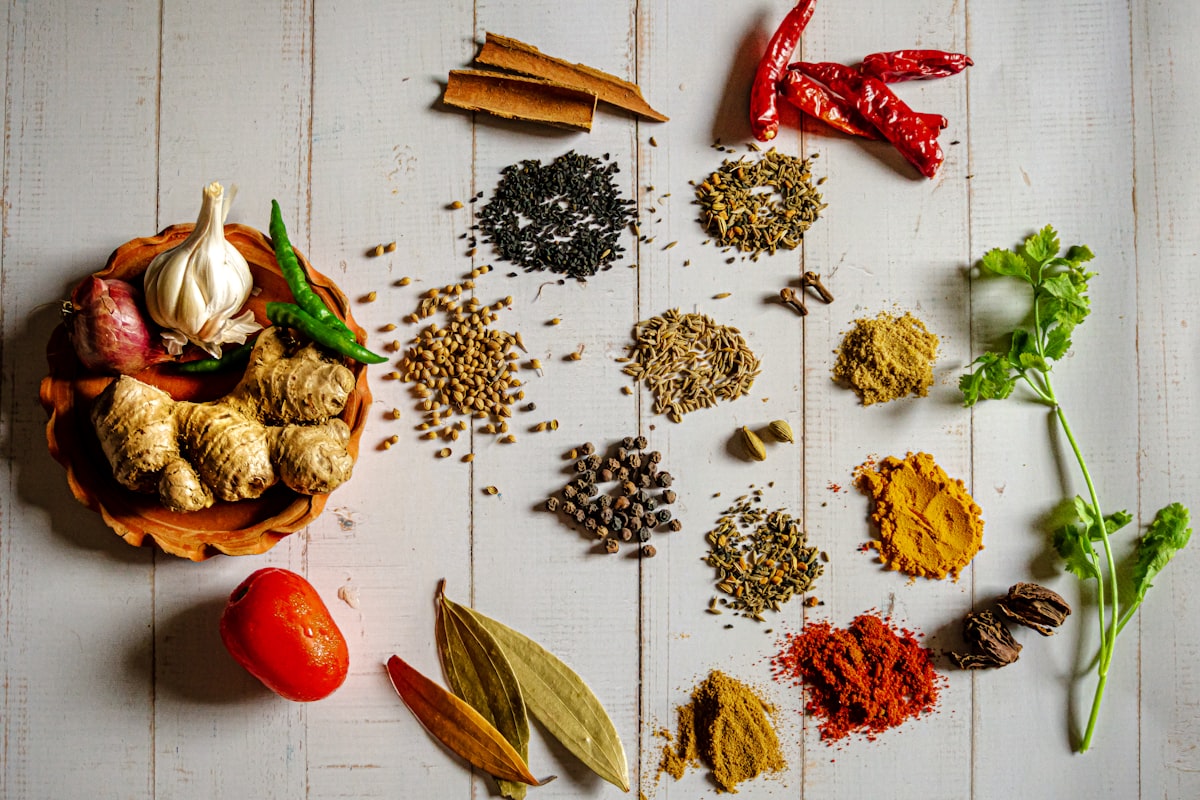
Turmeric and spice imports from India into the Gulf Cooperation Council (GCC) countries form one of the oldest and most reliable trade corridors in the world. Saudi Arabia alone imports over 150,000 metric tonnes of spices annually, with turmeric comprising roughly 30% of that volume. For buyers in Riyadh, Jeddah, Dubai, Doha, Muscat, Manama, and Kuwait City, sourcing from India is no longer just about price. It is about ensuring consistent quality, halal integrity, and full traceability under increasingly strict GCC food safety standards.
Why Indian Turmeric Dominates the GCC Market
India produces roughly 80% of the world's turmeric. The Nizamabad, Erode, and Sangli belts are famous for high-curcumin varieties that fetch premium prices in Middle Eastern markets. GCC buyers prefer Indian turmeric for several reasons: deep yellow color (indicative of curcumin), earthy aroma, and reliable year-round supply. Unlike turmeric from some competing origins, Indian varieties maintain a consistent ash content below 7%, which matters for industrial extraction users in Dubai and Jeddah.
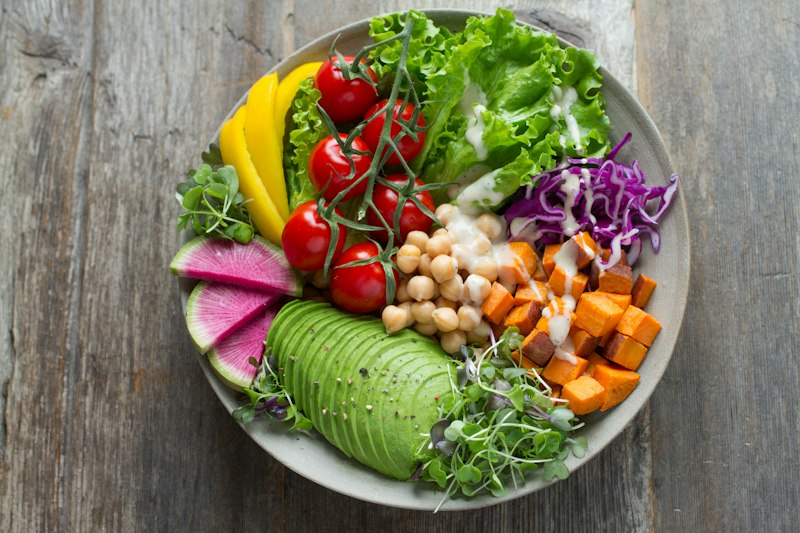
Indian turmeric powder with high curcumin content prepared for GCC export
Halal Certification: Non-Negotiable for GCC Retail
Halal compliance is not optional for any food product sold in Saudi Arabia, UAE, Qatar, Bahrain, Oman, or Kuwait. Indian spice exporters must secure halal certification from bodies recognized by the GCC Accreditation Center (GAC) or individual national halal authorities like ESMA (UAE) or SASO (Saudi Arabia). The certification covers not just the raw material but also handling, storage, and transport to prevent cross-contamination with non-halal substances.
At Zakwaan EXIM, our turmeric and spice processing facility operates under halal-certified protocols. We use dedicated processing lines, segregated storage bins, and halal-compliant cleaning agents to ensure every batch meets the religious and regulatory expectations of our Middle East partners.
SFDA Requirements for Saudi Arabia
The Saudi Food and Drug Authority (SFDA) enforces some of the strictest import conditions in the GCC. Turmeric and spice shipments bound for Saudi Arabia must carry the following documents:
- Original Halal Certificate attested by the Indian Chamber of Commerce and Saudi Embassy
- Phytosanitary Certificate confirming the absence of pests and contaminants
- Certificate of Analysis showing heavy metals, aflatoxin levels, and microbial load
- Certificate of Origin claiming preferential tariff under the India-Saudi trade framework
- Health Certificate issued by Indian health authorities
SFDA has also introduced digital pre-registration for food importers via the Fasah platform. New buyers should register their company and product details before the first shipment arrives at Jeddah Islamic Port or King Abdulaziz Port.
"One missing halal attestation can hold your container at Jeddah for three weeks. Double-check embassy attestation before the vessel sails."
UAE Spice Import: Dubai Municipality and ESMA
The Emirates Standards and Metrology Authority (ESMA) governs food safety standards for spices imported into the UAE. Under the UAE regulation, turmeric and spice powders must comply with UAE Standard 1016, which specifies maximum limits for lead, arsenic, and Sudan dyes. Dubai Municipality follows ESMA standards but adds its own inspection layer at port entry.
One practical tip for UAE buyers: request that your Indian exporter provides a "UAE-compliant label mock-up" before production. Labels must include product name in Arabic and English, net weight, production and expiry dates, country of origin, storage conditions, and importer details. A label rejection at Jebel Ali can delay customs clearance by 5-7 working days.
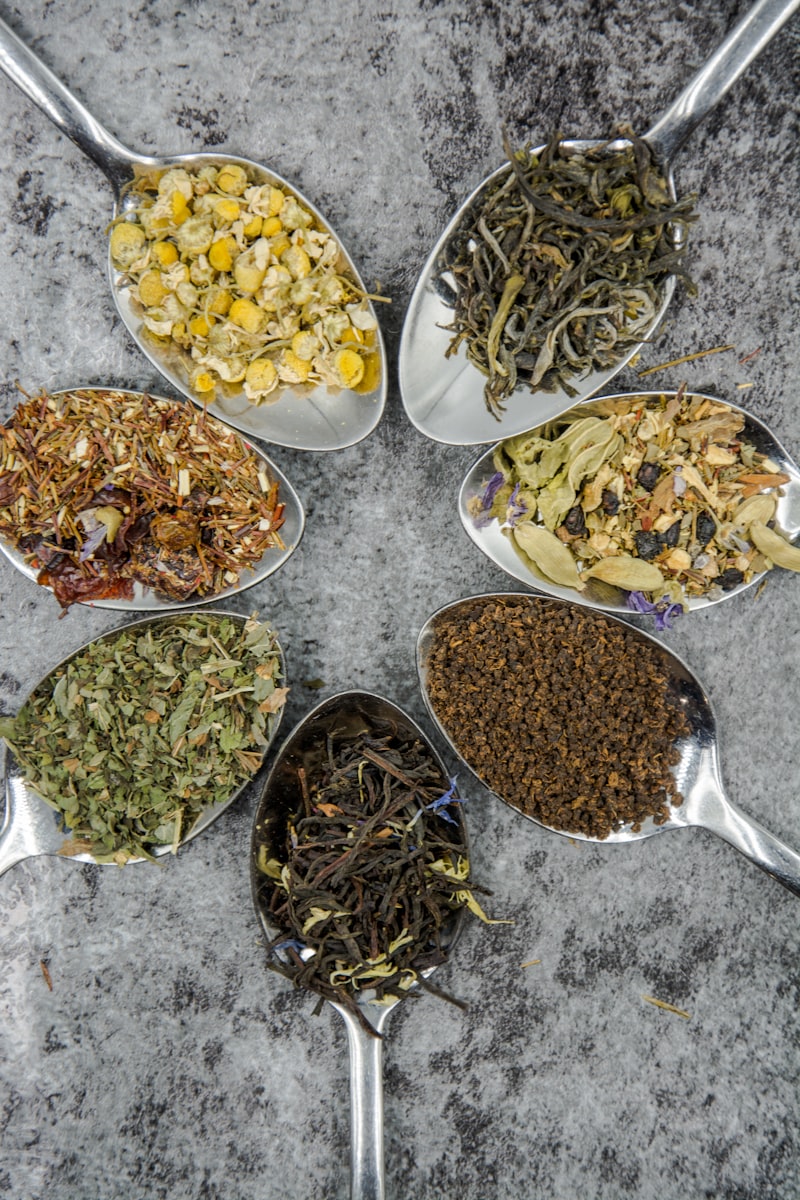
Indian spice blends prepared with GCC-compliant halal certification and labeling
Other GCC Markets: Qatar, Oman, Bahrain, and Kuwait
Qatar's Ministry of Public Health (MOPH) requires an import permit for all food products, including turmeric and spices. This permit must be obtained before shipment. Oman's Ministry of Regional Municipalities sets pesticide residue limits stricter than Codex Alimentarius in some categories, so pre-shipment residue testing is strongly advised.
Bahrain and Kuwait are relatively streamlined but still demand halal certification and phytosanitary documentation. Both countries accept third-party lab reports from Indian NABL-accredited laboratories.
Packaging and Shelf Life Considerations
GCC climates are harsh. Temperatures in Dubai and Riyadh can exceed 45C during summer. Turmeric and spices must be packaged in food-grade, multi-layer laminated bags with moisture barriers. Nitrogen flushing extends shelf life from 12 months to 24 months. Zinc oxide buckets or fibreboard drums with inner HDPE liners are commonly used for bulk shipments above 25 kg.
Pricing and Payment Terms
India-GCC spice trade pricing depends on variety, curcumin content, and packaging. As of Q2 2025, top-grade Indian turmeric powder (3.5%+ curcumin) is priced between $2,800 and $3,400 per metric tonne FOB Mundra. Most Indian exporters prefer 30% advance payment via TT with 70% against fax/email copy of the Bill of Lading. Letters of Credit are accepted but add roughly $200-300 in banking charges per transaction.
Source Halal-Certified Turmeric from India
We supply SFDA and ESMA-compliant turmeric, red chilli, and spice blends direct from India.
Request Spice Quote