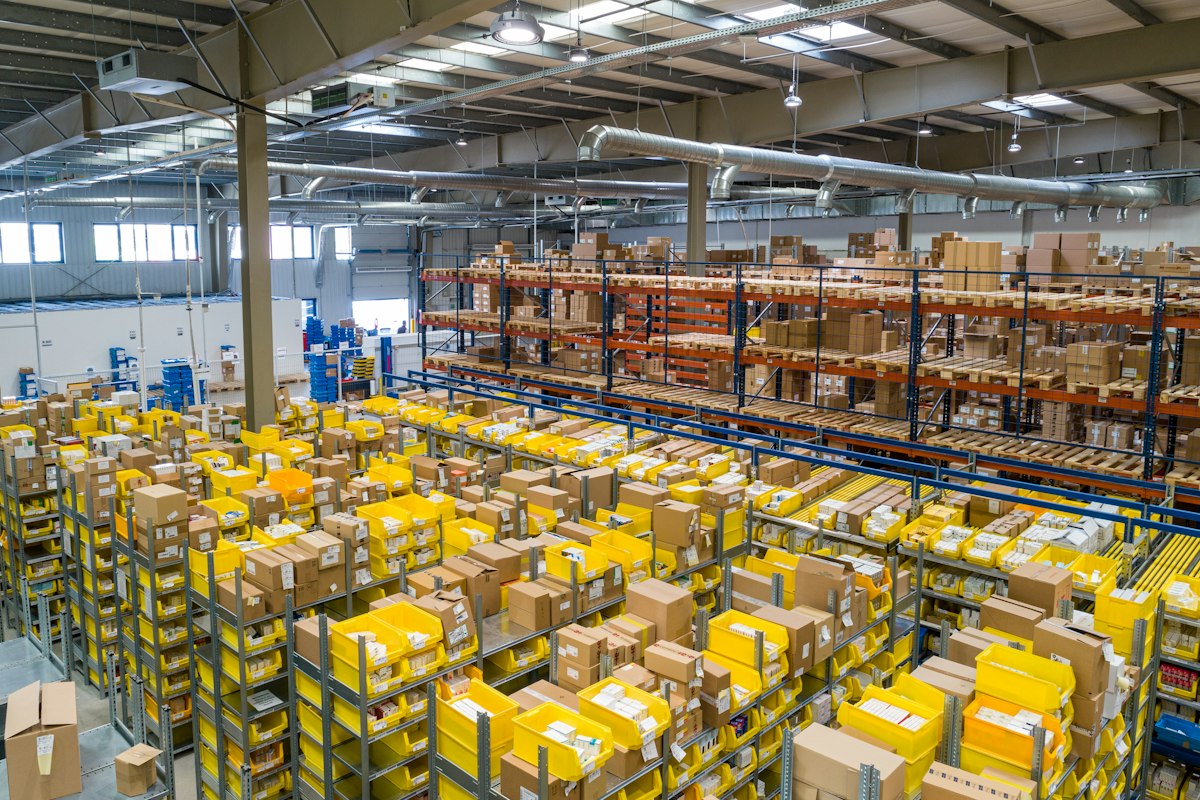
The re-export business from China to the Middle East through India has matured into a sophisticated trade corridor. In 2025, Indian ports like Mundra, Nhava Sheva, and Chennai are increasingly handling Chinese goods that undergo value addition, repackaging, or compliance certification before moving onward to Dubai, Jeddah, and Doha. Understanding how this trade triangle works is essential for any Middle East buyer looking to optimize costs while maintaining quality.
Why India Sits at the Center of China-Middle East Trade
India's geographical position on the Indian Ocean gives it a natural logistical advantage. Sea routes from Shanghai and Shenzhen to Indian west coast ports take roughly 12 to 16 days. From there, goods destined for the GCC can reach Jebel Ali in 5 to 7 days, making total transit time competitive with direct China-Middle East lanes, especially when factoring in Indian value-added services.
More importantly, Indian regulatory frameworks allow re-exporters to add significant value. Goods imported from China can be processed, repackaged, labelled, and certified in Indian Free Trade Zones before re-export. This appeals to Middle East buyers because Indian-origin certificates and packaging often carry higher trust levels in the Gulf market than direct Chinese labelling.
India's west coast ports serve as a critical transit point for China-to-Middle East cargo
Top Products Moving Through This Route
Electronics and machinery dominate the direct China-Middle East lane. However, for the re-export segment via India, the product mix shifts toward consumer goods, raw materials, and intermediate goods that benefit from Indian processing:
- Chemicals and Pharma Intermediates: Imported from China into Indian SEZs, blended or pressed into finished dosage forms, then shipped to GCC pharmacies.
- Plastics and Polymers: Raw resin imported into Gujarat, converted into packaging films and consumer goods, then exported to Dubai wholesale markets.
- Textile Raw Materials: Chinese synthetic yarns enter Indian textile hubs like Surat and Tirupur, are woven and finished, then shipped to Saudi and UAE retailers.
- Ayurvedic Packaging and Machinery: Labels, bottles, and capsule-filling equipment imported from China, integrated into Indian herbal factories, then sent to the Middle East as part of finished product lines.
Logistics Hubs: Mundra vs Jebel Ali
Mundra Port in Gujarat has emerged as India's largest private port and a serious competitor to direct China-Dubai shipping. DP World's Mundra facility offers deep-water berths, bonded warehousing, and direct ICD connectivity across North India. For Middle East buyers, the critical metric is combined cost: Chinese FOB price plus Indian freight, processing, and re-export duty savings under various bilateral agreements.
Jebel Ali remains the distribution king of the Middle East. However, savvy traders are using a "hub-and-spoke" model: stock inventory at Mundra for South Asian markets and at Jebel Ali for GCC fulfilment. This splits risk and ensures faster last-mile delivery to Riyadh, Doha, and Muscat.
"The smartest traders no longer see India and China as alternatives. They see them as sequential links in the same supply chain, with India providing the compliance layer that Gulf customs authorities trust."
Compliance: What Middle East Buyers Must Verify
Re-export goods cannot simply pass through India untouched and claim Indian origin. To benefit from lower GCC tariffs on Indian goods, the product must undergo "substantial transformation" within India. This means:
- Change in HS code classification at the 4-digit level
- At least 35% value addition inside India
- Clear documentation showing Indian processing invoices
- Certificate of Origin issued by a recognized Indian chamber of commerce
For buyers in Dubai, this distinction matters enormously. Dubai Customs grants preferential treatment to Indian-origin goods under the UAE-India CEPA, whereas Chinese goods face standard MFN tariffs unless qualifying under separate China-GCC frameworks.

Customs compliance documentation at Mundra Port before re-export to Jebel Ali
Cost Comparison: Direct vs India Route
Let's be honest about numbers. Direct sea freight from Shanghai to Jebel Ali costs roughly $35-50 per cubic meter for LCL cargo. Adding India into the chain increases the base freight by around $12-18 per CBM. However, the India route wins on compliance, packaging, and origin certification savings. For goods where Indian origin reduces import duty by even 3-5%, the math rapidly favors the indirect route at volumes above 5 tonnes.
Practical Steps for Middle East Buyers
If you are based in Saudi Arabia, Qatar, or Bahrain and want to leverage the China-India-GCC corridor, start by:
- Finding an Indian re-export agent with bonded warehouse access at Mundra or Nhava Sheva.
- Confirming HS code changes and value-addition requirements for your specific product category.
- Negotiating Incoterms that split liability between Chinese factory gate and Indian port.
- Auditing the Indian processing facility for GMP, ISO, or other certifications your local market demands.
- Booking consolidated freight from India to Jebel Ali or Dammam through established NVOCC operators.
Need Help With Re-Export Logistics?
Zakwaan EXIM works with bonded warehouses and freight partners across Mundra and Jebel Ali. Talk to our trade team.
Talk to Trade Team