The Middle East luxury skincare market is undergoing a quiet revolution. Consumers in Dubai, Jeddah, Doha, and Kuwait City are shifting away from mass-market synthetic soaps toward cold-pressed, herb-infused bars that promise authenticity, purity, and a touch of Ayurvedic heritage. Indian natural soap manufacturers, with their deep knowledge of herbal formulations and handcrafted cold-press techniques, are perfectly positioned to capture this demand.
Why Middle East Consumers Prefer Indian Herbal Soaps
Luxury consumers in the GCC do not merely buy soap; they buy an experience. The scent of sandalwood, the richness of turmeric, the cooling properties of neem, and the moisturizing touch of coconut oil resonate deeply with regional preferences. Indian soaps made through the traditional cold-process method retain the natural glycerin produced during saponification, leaving skin hydrated rather than stripped. In a desert climate where dryness is a daily concern, this functional benefit is a powerful selling point.
Furthermore, Indian herbal soaps align with the GCC's increasing emphasis on halal personal care. Cold-pressed soaps from India typically use plant-based oils (coconut, olive, castor, palm) and herbal infusions rather than synthetic surfactants or animal-derived tallow. This makes certification and consumer acceptance smoother.
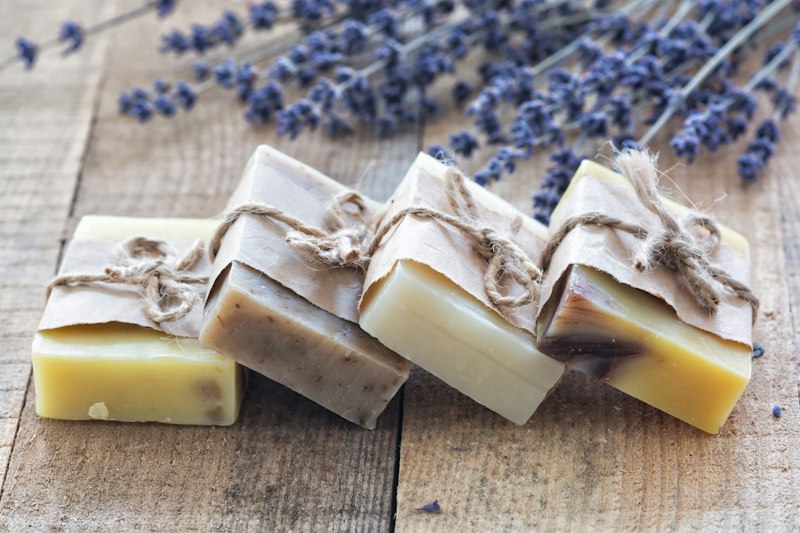
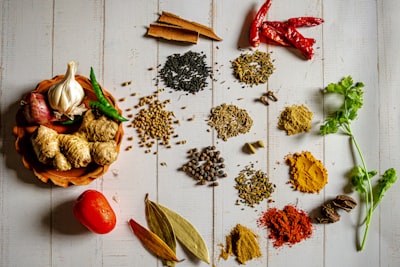
Cold-pressed herbal soaps infused with turmeric, neem, and sandalwood for Middle East consumers
The Luxury Spa and Hospitality Channel
One of the fastest-growing B2B channels for Indian soap exports is the luxury hospitality sector. Five-star hotels, resort spas, and wellness retreats across the UAE and Saudi Arabia are replacing generic toiletries with artisanal, locally branded soaps. Indian cold-pressed soaps offer a compelling value proposition: premium quality at a unit cost that allows hotels to maintain margins while elevating guest experience.
Brands like Zeshto, the sister entity of Zakwaan EXIM, produce handcrafted cold-press soaps featuring turmeric, neem, tulsi, sandalwood, and rose variants. These are packaged in eco-friendly wraps with Arabic-English bilingual labelling, making them immediately ready for hotel amenities and retail placement.
Key Ingredients Driving Demand
Specific ingredients perform particularly well in the Middle East market:
- Sandalwood: Revered across Gulf cultures for its grounding aroma and skin-brightening properties.
- Turmeric: Appeals to consumers battling hyperpigmentation caused by sun exposure.
- Rose (Gulab): A timeless favorite in Middle Eastern perfumery and skincare.
- Aloe Vera and Neem: Positioned for acne-prone and sensitive skin, popular among younger consumers.
- Frankincense and Myrrh: Historical significance in Arabian culture makes these variants ideal for gift-box sets.
"A luxury hotel in Riyadh replaced its synthetic amenities with Indian cold-press soaps and saw a 23% increase in guest satisfaction scores for bathroom amenities."
Regulatory Pathway: Dubai Municipality and SFDA
Soaps intended for cosmetic use in the UAE must comply with Dubai Municipality's product registration requirements. This includes providing a safety assessment, ingredient breakdown (INCI names), and manufacturing GMP certificate. For Saudi Arabia, SFDA requires both halal certification and compliance with the Saudi Standard SFDA.CO/GSO 1943 for cosmetic products.
The good news is that Indian cosmetic manufacturers with ISO 22716 (GMP for cosmetics) and halal certification can generally meet these requirements without major process overhauls. Labels must display manufacturing date, expiry date, batch number, and contact details of the local distributor.
Natural soap packaging with bilingual labelling for Middle East retail and hospitality channels
Pricing and Profit Margins
Indian cold-pressed soaps exported to the GCC typically fall into two pricing tiers:
- Mass Premium: $1.50-2.50 per 100g bar, sold through supermarkets and pharmacies.
- Artisan Luxury: $4.00-7.00 per 100g bar, positioned through boutiques, spas, and online platforms like Ounass and Namshi.
With manufacturing costs in India ranging from $0.40 to $0.80 per bar depending on ingredients and packaging, the margin potential is attractive for distributors willing to invest in branding and shelf placement.
Export Herbal Soaps to the Middle East
We produce halal-certified, cold-pressed herbal soaps with custom packaging and full Dubai Municipality documentation.
Request Soap Export Quote